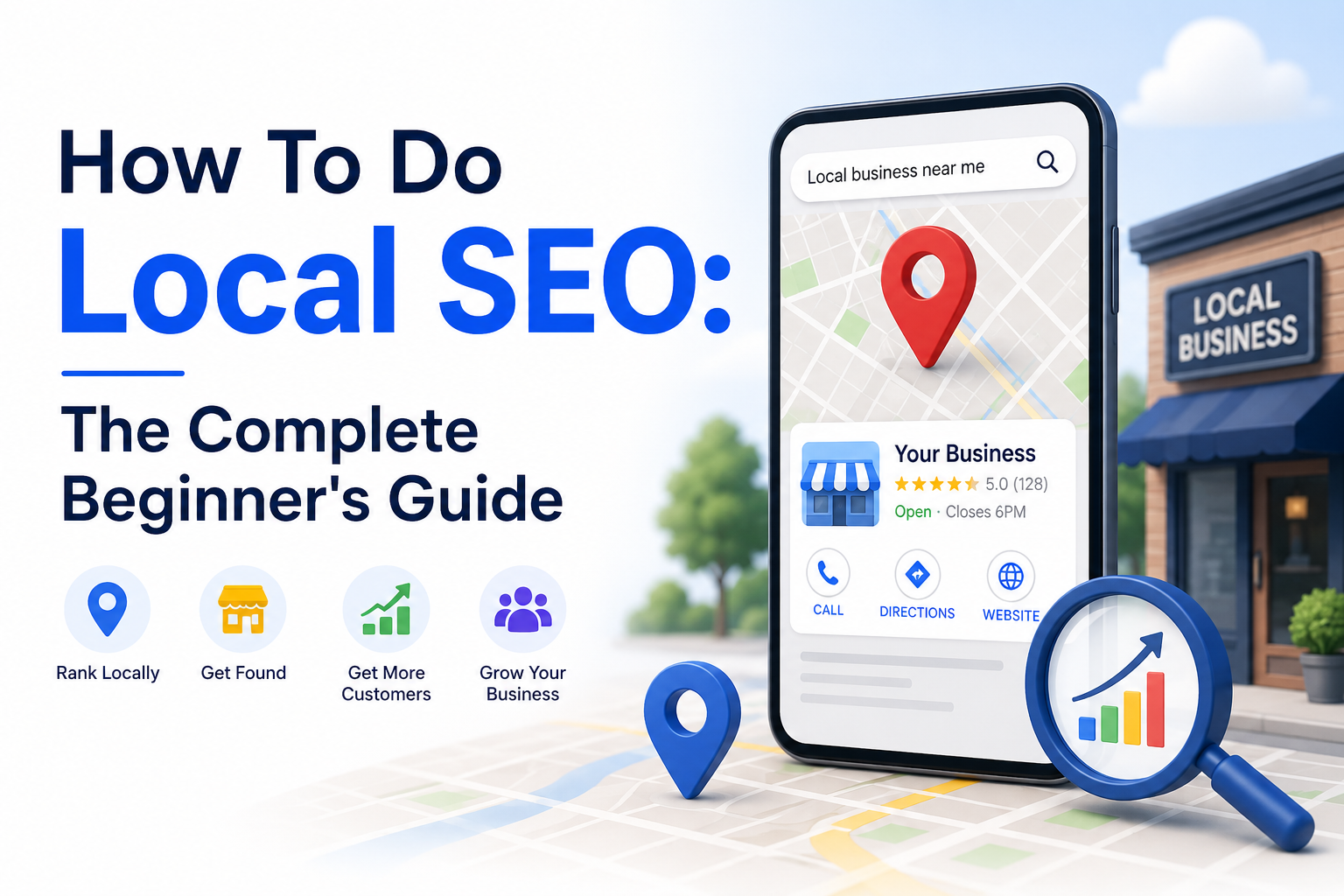
SEO skills have become one of the most important parts of digital marketing today. Almost every business depends on Google search to bring visitors, customers, and leads. According to multiple digital marketing studies, more than half of all website traffic still comes from organic search, which makes SEO a long-term and cost-effective growth strategy.
But SEO is no longer simple. Earlier, it was mainly about adding keywords to a page. Now, Google uses advanced systems like RankBrain, BERT, and Helpful Content updates to understand meaning, user satisfaction, and content quality. Today, it requires a deeper understanding of how search engines think and how users behave online.
Understanding Modern SEO Skills
SEO skills refer to the ability to improve a website’s visibility on search engines like Google by optimizing content, structure, and authority. In modern SEO, success depends on how well a website satisfies user intent and provides useful, trustworthy information.
Search engines do not rank pages just because they contain keywords. They evaluate whether the content is helpful, written with real experience, and able to answer user questions better than competitors. This is why SEO professionals now focus heavily on quality, structure, and trust signals instead of keyword repetition.
Important SEO Skills for Better Google Rankings
Search engines are becoming more advanced, and ranking on Google now depends on a mix of technical knowledge, content quality, and user-focused strategies.
Understanding the right skills helps marketers improve visibility, attract organic traffic, and stay ahead of competitors in search results.
Strategic Thinking
Strategic thinking in SEO means looking beyond individual tasks and understanding the bigger picture of how a website grows in search results. Instead of focusing only on writing content or adding keywords, SEO professionals need to plan how every activity supports long-term visibility, traffic growth, and business goals.
A strong SEO strategy starts with clear planning of what a website wants to achieve. This includes deciding which pages are most important, what type of audience to target, and how content should be structured across the site. Strategic thinking also helps in prioritizing efforts so that time and resources are used on the most impactful SEO actions. Without this mindset, SEO work often becomes scattered and less effective.
Competitive Research
Competitive research is the process of studying other websites that are already performing well in search engines. It helps SEO professionals understand why certain pages are ranking higher and what strategies are being used in the same industry.
By analyzing competitors, you can learn which keywords they are targeting, how their content is structured, and what kind of backlinks they are getting. This also helps identify missing topics or weak areas in your own website that can be improved.
Instead of copying competitors, the goal is to learn from them and create better, more useful, and more detailed content. This gives your website a stronger chance to perform well in search rankings.
Keyword Research
Keyword research is one of the most important SEO skills because it helps understand what users are actually searching for on Google. It involves finding real search terms that people use when looking for information, services, or products.
Modern keyword research is not only about choosing high-volume keywords. It also focuses on relevance, difficulty level, and user intent. SEO tools like Google Keyword Planner, Ahrefs, and SEMrush are commonly used to find keyword ideas and analyze competition.
Good keyword research helps in selecting topics that can bring the right type of visitors to a website. It ensures that content matches what users are actively looking for.
Content Creation
Content creation plays a major role in SEO success because search engines prefer websites that provide helpful and meaningful information. This skill involves creating blog posts, articles, landing pages, and other forms of written content that answer user queries clearly.
Effective SEO content is simple, well-structured, and focused on solving user problems. Instead of stuffing keywords, the focus should be on writing naturally and covering the topic in detail. Search engines today evaluate content quality based on usefulness, clarity, and relevance.
Well-written content not only improves rankings but also builds trust with readers and encourages them to stay longer on the website.
Multimedia Skills
Multimedia skills refer to the ability to use visual and interactive elements like images, videos, infographics, and charts to improve content quality. In modern SEO, content is no longer limited to text only.
Using multimedia makes content easier to understand and more engaging for users. It also increases the time users spend on a page, which can positively influence search rankings. For example, a blog post with images or videos often performs better than plain text content.
SEO professionals who can use multimedia effectively can also repurpose content into different formats, helping reach a wider audience across multiple platforms.
Optimization and Analytics
Optimization and analytics are continuous SEO activities that help improve website performance over time. Optimization means updating and improving existing content, fixing errors, and making pages more effective for search engines and users.
Analytics involves tracking website performance using tools like Google Analytics and Google Search Console. These tools provide data about traffic, keyword rankings, user behavior, and engagement levels.
By studying this data, SEO professionals can understand what is working and what needs improvement. For example, pages with high impressions but low clicks may need better titles or descriptions. Data-driven decisions are essential for long-term SEO success.
Trend Spotting
Trend spotting is the ability to identify new and emerging topics before they become highly competitive. This skill helps websites create content early and gain an advantage in search rankings.
SEO professionals use tools like Google Trends and social media platforms to discover what people are currently interested in. Early content on trending topics often ranks faster and attracts more organic traffic.
This skill is especially useful in fast-changing industries where user interests shift quickly. Staying updated with trends helps websites remain relevant and competitive.
User Experience (UX) Understanding
User experience is becoming one of the most important parts of SEO. It focuses on how easily users can navigate and interact with a website. A good user experience means the website loads quickly, is mobile-friendly, and provides information in a clear and organized way.
Search engines pay attention to user behavior signals such as how long visitors stay on a page or whether they leave quickly. If users find a website difficult to use, rankings can drop even if the content is good.
SEO professionals must ensure that websites are not only optimized for search engines but also comfortable and simple for real users. A smooth experience helps improve engagement, trust, and search performance.
Advanced SEO Skills Every Digital Marketer Should Master
Advanced SEO skills are needed when working on competitive websites or large business projects where basic optimization is not enough. These skills focus on deeper technical understanding, strategic planning, and data-driven decision-making.
SEO Auditing
SEO auditing is the process of analyzing a complete website to find issues that may affect rankings. This includes checking indexing problems, broken links, content quality, duplicate content, backlink profile, and technical errors. A proper SEO audit helps identify what is stopping a website from ranking and what improvements are needed.
Competitor SEO Analysis
Competitor analysis is another important advanced SEO skill. It involves studying websites that are already ranking on the first page of Google. SEO professionals analyze their keywords, content structure, backlink sources, and overall strategy. This helps in understanding what is working in the industry and how to create better content than competitors.
Programmatic SEO
Programmatic SEO is a modern technique used to create a large number of web pages using structured data and templates. It is often used by big websites to target thousands of keyword variations automatically. This method helps in scaling organic traffic quickly when done correctly, especially for e-commerce, travel, and listing-based websites.
Core Web Vitals and Technical Depth
Advanced SEO also includes a deeper understanding of Core Web Vitals, which measure website speed, responsiveness, and visual stability. SEO experts must also understand server-side rendering, crawl budget optimization, and indexing efficiency. These technical areas ensure that search engines can access and rank a website properly without delays or errors.
AI-Driven Search Understanding
Modern SEO professionals must also understand how AI affects search engines. Google uses machine learning systems to understand user behavior, content relevance, and satisfaction signals. SEO experts need to focus on creating high-quality, helpful content that matches user intent and performs well in AI-driven ranking systems.
Link Building Skills
Link building is the process of getting other websites to link to your website. These links, called backlinks, help improve trust and authority in the eyes of search engines like Google.
When a website earns backlinks from high-quality and relevant sources, it has a better chance of ranking higher in search results. Quality is more important than quantity, so a few strong backlinks are more valuable than many weak ones. Modern link building focuses on creating useful content, doing outreach, and building real relationships instead of using shortcuts.
Essential Soft SEO Skills for Professional Growth
Soft SEO skills are personal abilities that help SEO professionals work effectively, communicate better, and make smarter decisions. These skills are equally important as technical SEO knowledge.
Critical Thinking
Critical thinking helps SEO professionals analyze data carefully and make decisions based on logic instead of guesswork. It is important when reviewing performance reports, identifying ranking issues, or choosing the right SEO strategy for a website.
Communication Skills
Communication is a key soft skill in SEO because professionals often work with clients, writers, designers, and developers. Being able to explain SEO strategies in simple language helps everyone understand the goals clearly and work together effectively.
Creativity
Creativity plays a big role in SEO, especially in content creation and link building. SEO experts need creative ideas for blog topics, content strategies, and ways to attract natural backlinks. Creative thinking also helps in improving user engagement and making content more interesting.
Patience
SEO is a long-term process, and results do not appear immediately. That is why patience is an important skill. It takes time for content to rank, backlinks to build authority, and strategies to show results. Professionals who stay consistent usually achieve better long-term success.
Adaptability
Adaptability is very important in SEO because search engines frequently update their algorithms. SEO professionals must be ready to adjust their strategies whenever Google changes its ranking system. Those who adapt quickly are more likely to maintain and improve their rankings over time.
Future SEO Skills for the Evolving Search Landscape
Future SEO skills are becoming more important as search engines continue to evolve with artificial intelligence, voice search, and changing user behavior. SEO is no longer just about ranking on traditional search results; it is now moving toward AI-driven search experiences where Google understands context, intent, and user satisfaction at a much deeper level.
One major future skill is understanding AI-powered search systems. Search engines are increasingly using machine learning to decide which content is most helpful. SEO professionals will need to focus more on creating high-quality, user-focused content rather than only targeting keywords.
Another important future skill is optimizing for voice and conversational search. As more people use voice assistants, search queries are becoming longer and more natural. This means SEO experts must learn how to create content that directly answers questions in a simple, natural, and conversational way.
Video and visual search optimization will also become a key SEO skill. With platforms like YouTube and image-based search tools growing rapidly, optimizing images, videos, and multimedia content will play a much bigger role in organic visibility.
Finally, data interpretation and automation skills will be essential. Future SEO professionals will rely more on AI tools for keyword analysis, content optimization, and performance tracking. However, the ability to correctly understand data and make smart strategic decisions will still remain a human advantage.
In the future, successful SEO will depend on adaptability, user-first thinking, and the ability to work effectively with AI tools while still focusing on real human needs.
Conclusion
SEO skills have become a complete blend of strategy, creativity, technical knowledge, and data-driven decision-making. In today’s digital world, simply adding keywords is not enough. Success in SEO depends on understanding user intent, creating high-quality content, improving website experience, and continuously adapting to search engine updates.
From keyword research and content creation to advanced technical SEO and future AI-driven optimization, every skill plays an important role in improving visibility on Google. As search engines continue to evolve, SEO professionals who stay updated, think strategically, and focus on users will achieve the best long-term results.
FAQs
Q. Why are SEO skills important in digital marketing?
They are important because they help websites attract organic traffic from search engines. This traffic is highly valuable because it comes from users actively searching for information, products, or services.
Q. Which SEO skill is most important?
There is no single most important SEO skill, but keyword research, content creation, and technical SEO are considered the foundation. Without these, it is difficult to achieve strong rankings.
Q. Do SEO skills require coding knowledge?
Basic SEO does not require coding, but understanding HTML, website structure, and technical SEO concepts can be very helpful for better optimization and problem-solving.
Q. How long does it take to learn SEO skills?
Learning basic SEO skills can take a few weeks, but mastering advanced SEO and gaining real experience usually takes several months of practice and continuous learning.
Q. Are SEO skills still in demand in 2026?
Yes, It’s highly in demand because businesses continue to rely on Google search for traffic, leads, and online visibility, even with the rise of AI tools.