Ever wondered what words like SEO, CTR, CPC, or conversion rate actually mean when you see them in digital marketing? These terms may look confusing at first, but they are the real language of online business and growth. Once you understand them, digital marketing becomes much easier to follow and apply. This Digital Marketing Glossary A to Z breaks down all important digital marketing terms in simple language so you can quickly learn how the industry works. Whether you are a beginner or building your career, this guide will help you understand the core concepts used in SEO, ads, analytics, and social media.
Digital Marketing Terms A to E
A
A/B Testing
A/B testing means comparing two versions of something like a website, ad, or email to see which one works better. For example, you can test two different headlines for an ad and check which one gets more clicks. The version that performs better is used. This helps marketers make better decisions based on real results instead of guessing.
Affiliate Marketing
Affiliate marketing is when you promote someone else’s product and earn money for every sale made through your link. For example, if you share a product link on your blog or YouTube and someone buys it, you get a commission. It is a popular way to earn money online without creating your own product.
Algorithm
An algorithm is a system used by Google or social media platforms to decide what content people should see. It checks things like quality, keywords, and user interest. For example, Google uses an algorithm to show the best websites on search results. Social media apps also use it to show posts you like most.
Above the Fold
Above the fold means the part of a webpage that is visible without scrolling. This is the first area users see when a page opens, so it is very important for attention and conversions.
Attribution
Attribution means finding out which marketing channel or ad helped a customer take action like buying or signing up. It helps marketers understand what is working.
B
Backlink
A backlink is a link from one website to another. If another website links to your website, it is called a backlink. Backlinks are important because they help your website rank higher on Google. More good-quality backlinks usually mean better SEO results.
Bounce Rate
Bounce rate means how many people visit your website and leave without clicking anything else. For example, if 100 people visit your site and 60 leave immediately, the bounce rate is 60%. A high bounce rate can mean your content is not interesting or useful.
Brand Awareness
Brand awareness means how many people know about your brand. If people recognize your company name or logo, it means your brand awareness is good. Digital marketing helps increase brand awareness through ads, social media, and content.
B2B (Business to Business)
B2B means a business model where one company sells products or services to another company. For example, a software company selling tools to other businesses is B2B marketing.
B2C (Business to Consumer)
B2C means a business model where companies sell products or services directly to individual customers. For example, an online clothing store selling to shoppers is B2C marketing.
Bottom of Funnel (BOFU)
Bottom of Funnel is the final stage of the customer journey where the user is ready to make a purchase. At this stage, marketing focuses on conversions, offers, and final decision-making.
Black Hat SEO
Black hat SEO means using unfair or unethical techniques to improve website ranking on search engines. It includes keyword stuffing, cloaking, and buying spam backlinks. These methods may give quick results but can lead to penalties or website removal from Google.
Breadcrumbs
Breadcrumbs are a navigation feature that shows the user’s location on a website. For example, Home > Blog > SEO Guide. They help users easily go back to previous pages and improve website structure and user experience.
Bid
A bid is the maximum amount an advertiser is willing to pay for a click in paid advertising like Google Ads. Higher bids can improve ad placement, but final ranking also depends on ad quality and relevance.
Bid Strategy
Bid strategy is the method used in online advertising to control how bids are set and optimized. It helps advertisers manage cost and improve results like clicks, conversions, or impressions depending on campaign goals.
C
Click Through Rate (CTR)
CTR means how many people click on your link or ad after seeing it. For example, if 100 people see your ad and 10 click on it, your CTR is 10%. A higher CTR means your ad is attractive and useful.
Conversion Rate
Conversion rate means how many people take action after visiting your website. This action can be buying something, signing up, or filling a form. For example, if 100 visitors come and 5 buy something, the conversion rate is 5%.
Cost Per Click (CPC)
CPC means how much you pay when someone clicks on your ad. If your CPC is ₹5, you pay ₹5 for every click. It is used in paid ads like Google Ads and Facebook Ads.
Content Marketing
Content marketing means creating and sharing useful content like blogs, videos, or social media posts to attract and engage users. The main goal is to provide value and build trust with the audience.
CMS (Content Management System)
CMS is a tool that helps users create and manage websites without coding. Platforms like WordPress are popular CMS tools that make website building easier and faster.
CPA (Cost Per Acquisition)
CPA means the cost a business pays to get one customer or conversion through advertising. It helps marketers understand how much they are spending to gain results.
CPM (Cost Per Thousand Impressions)
CPM means the cost of showing an advertisement 1,000 times. It is commonly used in display and brand awareness campaigns to measure ad reach.
Crawler
A crawler is a program used by search engines like Google to scan and collect information from websites. It visits web pages, reads content, and helps store data in search engine indexes so pages can appear in search results.
Customer Relationship Management (CRM)
Customer Relationship Management is a system or software used by businesses to manage interactions with customers. It helps store customer data, track communication, and improve relationships to increase sales and customer satisfaction.
Customer Data Platform (CDP)
A Customer Data Platform is a tool that collects and organizes customer data from different sources like websites, apps, and emails. It creates a single customer profile that helps businesses understand user behavior and run better marketing campaigns.
D
Digital Marketing
Digital marketing means promoting products or services using the internet. It includes social media, websites, email, and search engines. Businesses use digital marketing to reach more people online and increase sales.
Domain Authority
Domain authority is a score that shows how strong a website is on Google. A higher score means the website has a better chance of ranking on search results. It depends on things like backlinks and website quality.
Display Advertising
Display advertising means showing visual ads like banners, images, or videos on websites, apps, or social media platforms. These ads help increase visibility and brand awareness.
Drip Marketing
Drip marketing means sending a series of automatic emails or messages to users over time. It is used to guide users step-by-step and keep them engaged with the brand.
Digital PR
Digital PR is a marketing strategy used to increase a brand’s online visibility through digital channels. It includes getting mentions on websites, online news, blogs, and social media. The main goal is to build authority, trust, and improve SEO through online coverage and backlinks.
DR (Domain Rating)
Domain Rating (DR) is a metric used to measure the strength of a website’s backlink profile. A higher DR means a website has more high-quality backlinks and better authority. It is commonly used in SEO tools to compare website strength and ranking potential.
E
Email Marketing
Email marketing means sending emails to people to promote products or share updates. Businesses use it to inform customers about offers, news, or services. It is a cheap and effective way to stay connected with customers.
Engagement Rate
Engagement rate shows how people interact with your content. It includes likes, comments, shares, and clicks. Higher engagement means people like your content.
Evergreen Content
Evergreen content means content that stays useful for a long time. For example, “how to lose weight” or “basic SEO tips” stays useful for years. This type of content brings traffic even after a long time.
E-commerce
E-commerce means buying and selling products or services online through websites or apps. Popular examples include online shopping platforms where users order products digitally.
Exit Rate
Exit rate means the percentage of users who leave a website from a specific page. It helps understand which pages are causing users to leave the site.
E-E-A-T
E-E-A-T stands for Experience, Expertise, Authoritativeness, and Trustworthiness. It is a guideline used by Google to evaluate content quality. Websites that show real experience, expert knowledge, and trust signals are more likely to rank higher in search results.
Earned Media
Earned media refers to publicity or exposure gained naturally without paying for it. It includes mentions, shares, reviews, or coverage from news sites, blogs, and social media. It helps build brand trust and credibility.
Econometrics
Econometrics is the study of using mathematical and statistical methods to analyze economic data. In marketing, it is used to understand how different factors like ads, pricing, and campaigns affect business performance and decision-making.
Digital Marketing Terms F to I
Funnel (Sales Funnel)
A sales funnel is the journey a customer follows before buying something. It starts when people first hear about a product and ends when they make a purchase. The stages usually include awareness, interest, decision, and action. For example, a user may see an ad, visit a website, compare products, and then buy. Marketers use funnels to understand customer behavior and improve sales.
Frequency
Frequency means how many times a single user sees the same advertisement within a specific time period. In digital marketing, it is used to measure ad exposure. If frequency is too low, users may not remember the brand. But if frequency is too high, users may feel annoyed and ignore the ad. Marketers try to keep a balanced frequency so ads stay effective without losing audience interest.
First Click Attribution
First click attribution is a tracking method where full credit for a conversion is given to the first interaction a user had with a brand. For example, if a user first clicks a Facebook ad, then later visits through Google and buys something, Facebook gets the credit. This model helps marketers understand which channel introduces customers to the brand and helps in early-stage awareness planning.
Facebook Advertising
Facebook Advertising is a paid marketing system that allows businesses to show ads on Facebook and its partner platforms. It helps target specific audiences based on age, location, interests, and behavior to increase reach and sales.
Facebook Audience Insights
Facebook Audience Insights is a tool that provides detailed information about user behavior and interests on Facebook. It helps marketers understand their target audience better and create more effective ad campaigns.
First Party Data
First party data is information collected directly from customers by a business through websites, apps, or interactions. It includes emails, purchase history, and user behavior. It is highly valuable because it is accurate and owned by the company.
Featured Snippet
A featured snippet is a special search result that appears at the top of Google. It provides a short and direct answer to a user’s query taken from a webpage. It helps websites gain more visibility and higher click-through rates.
G
Google Ads
Google Ads is an online advertising platform by Google. Businesses use it to show ads on Google search results and other websites. You only pay when someone clicks on your ad. It helps companies get fast traffic and reach people who are searching for similar products or services.
Google Analytics
Google Analytics is a free tool that shows how people use your website. It gives details like number of visitors, pages visited, time spent, and traffic sources. This helps businesses understand what is working and what needs improvement.
GEO Targeting
GEO targeting means showing ads, content, or offers to users based on their geographic location. This can be a country, city, or even a small area. It helps businesses reach the right audience in the right place. For example, a restaurant can show ads only to people living nearby. GEO targeting improves ad relevance and increases chances of conversion because users see content that matches their location.
Growth Hacking
Growth hacking means using smart, creative, and low-cost strategies to grow a business quickly. Instead of traditional marketing, growth hacking focuses on testing new ideas, analyzing results, and improving fast. It is commonly used by startups to gain users in a short time. Techniques can include viral marketing, referral programs, social media tricks, and SEO experiments. The main goal is fast and sustainable growth.
Google Algorithm
Google Algorithm is a system used by Google to decide how websites are ranked in search results. It analyzes factors like content quality, keywords, backlinks, and user experience to show the most relevant pages to users.
Google Business Profile
Google Business Profile is a free tool that allows businesses to manage their online presence on Google Search and Maps. It helps display business details like address, contact, reviews, and working hours to attract local customers.
GoogleBot
GoogleBot is the web crawler used by Google to scan and index websites. It visits pages, reads content, and collects information so that websites can appear in Google search results.
Generative Engine Optimization (GEO)
Generative Engine Optimization is the process of optimizing content so it appears in AI-powered search results and generative engines. It focuses on creating clear, structured, and useful content that AI tools can easily understand and display.
Google Keyword Planner
Google Keyword Planner is a free tool used to find keywords for SEO and Google Ads. It shows search volume, competition, and keyword ideas to help marketers choose the best keywords for their campaigns.
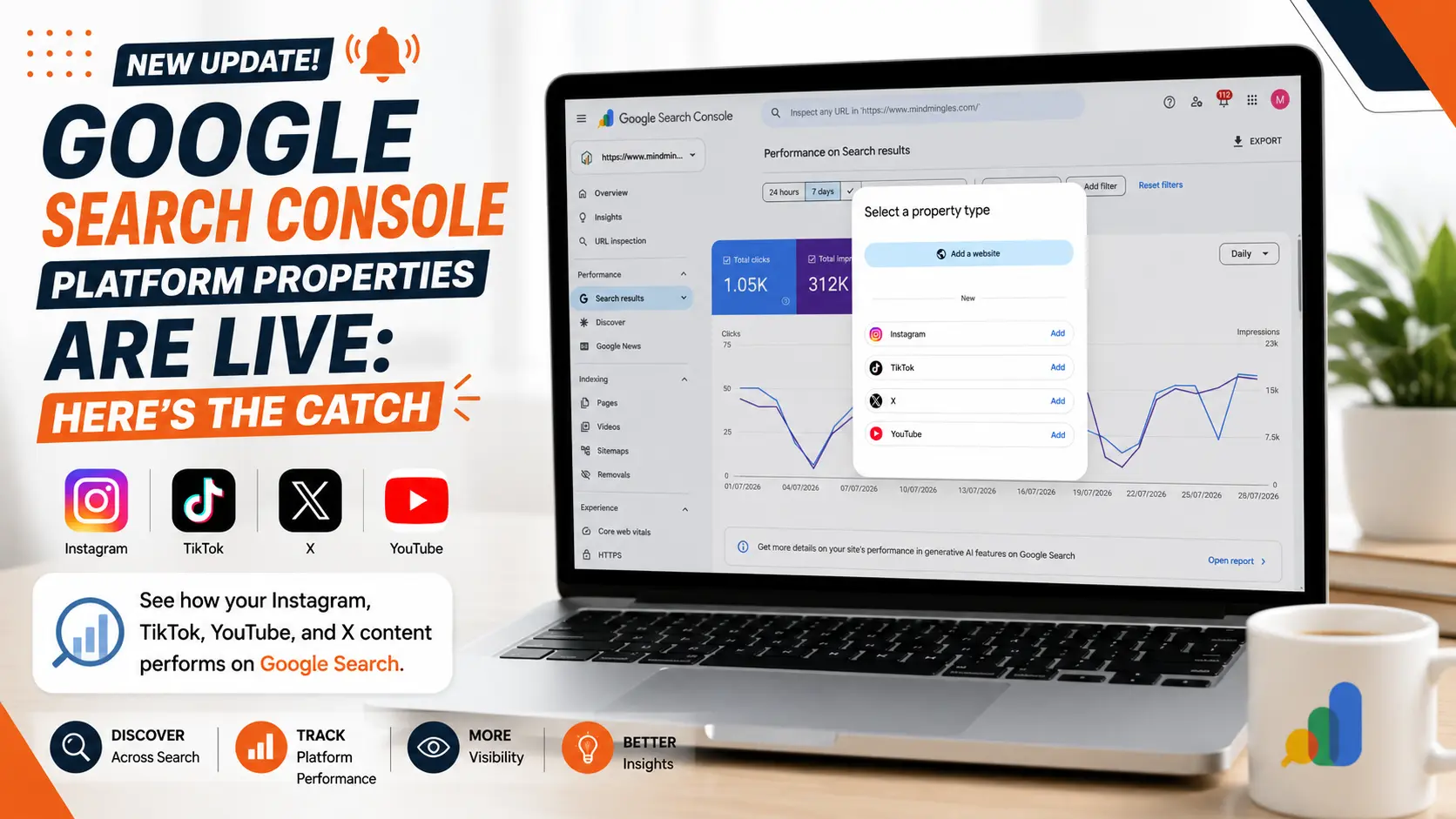
Google Search Console
Google Search Console is a free tool that helps website owners monitor and improve their site’s performance in Google search. It shows indexing status, search traffic, errors, and keyword rankings.
GTM (Google Tag Manager)
Google Tag Manager is a tool that allows marketers to add and manage tracking codes on a website without editing code directly. It helps track analytics, conversions, and marketing performance easily.
H
Hashtag
A hashtag is a word or phrase with a “#” symbol used on social media. For example, #DigitalMarketing or #SEO. Hashtags help people find posts related to the same topic. They improve visibility and reach on platforms like Instagram, Facebook, and X (Twitter).
Homepage
A homepage is the main page of a website. It is usually the first page visitors see. It gives an overview of what the website offers and guides users to other pages.
Heatmap
A heatmap is a visual tool used to understand user behavior on a website. It shows where users click, move their mouse, or scroll the most. Hot areas are shown in red or orange, while less active areas are shown in cooler colors. Heatmaps help marketers and designers understand what users like and what they ignore. This information is useful for improving website layout, design, and conversion rates.
Hyperlink
A hyperlink is a clickable element on a webpage that takes users to another page, website, or section. It can be text, image, or button. Hyperlinks are important because they connect different parts of the internet. In digital marketing, hyperlinks are widely used in blogs, emails, and landing pages to guide users and improve navigation as well as SEO performance.
HTTPS
HTTPS stands for HyperText Transfer Protocol Secure. It is the secure version of HTTP that encrypts data between a website and a user’s browser. It helps protect sensitive information like passwords and payments and improves website trust and SEO ranking.
HTML (HTM)
HTML stands for HyperText Markup Language. It is the basic coding language used to create and structure web pages. It defines elements like headings, paragraphs, links, and images so browsers can display content properly.
I
Impression
An impression means how many times your ad or content is shown to people. It does not mean clicks, only views. For example, if your ad appears 1000 times, it has 1000 impressions. It helps measure how visible your content is.
Influencer Marketing
Influencer marketing is when brands promote their products through popular people on social media. These influencers have a strong following and can influence buying decisions. For example, a YouTuber reviewing a product is a form of influencer marketing.
Instagram Marketing
Instagram marketing means promoting products or services using Instagram. It includes posts, reels, stories, and ads. It is widely used because it is a visual platform and helps businesses reach a large audience.
Inbound Marketing
Inbound marketing is a strategy that focuses on attracting customers by providing useful and valuable content instead of directly promoting products. It includes blogs, videos, SEO, social media posts, and guides. The idea is to help users first so they naturally come to the brand. Inbound marketing builds trust, improves long-term relationships, and generates quality leads at a lower cost compared to traditional advertising.
Indexing
Indexing means the process where search engines like Google store and organize web pages in their database. Once a page is indexed, it can appear in search results. If a page is not indexed, users cannot find it on Google. Indexing is very important for SEO because it ensures your content is visible to search engines and can attract organic traffic.
Image Optimization
Image optimization means reducing the file size of images without losing quality to improve website speed and performance. It also includes using proper formats, alt text, and compression to help improve SEO and user experience.
Incrementality
Incrementality means measuring the actual impact of a marketing campaign by comparing results with and without the campaign. It helps marketers understand what extra results (like sales or clicks) are generated because of ads or promotions.
Instagram Advertising
Instagram Advertising is a paid marketing method where businesses run ads on Instagram to reach targeted audiences. It includes photo ads, video ads, stories, and reels ads to increase engagement, brand awareness, and sales.
Digital Marketing Terms J to O
J
JavaScript (in Marketing Websites)
JavaScript is a coding language used to make websites interactive. In digital marketing, it helps improve website features like pop-ups, forms, and animations. It makes websites more user-friendly and engaging.
Journey Mapping
Journey mapping means creating a detailed view of how a customer interacts with a brand from the first point of contact to the final purchase and even after-sales experience. It includes all steps like awareness, research, comparison, purchase, and support. This helps businesses understand customer needs, emotions, and problems at each stage. With journey mapping, marketers can improve user experience and increase conversions.
K
Keyword
A keyword is a word or phrase that people type into Google when searching for something. For example, “best shoes for running” is a keyword. Businesses use keywords in their content so their website can appear in search results. Keywords are very important for SEO.
Keyword Research
Keyword research means finding the words people search for online. Marketers use tools to discover popular and useful keywords. This helps them create content that matches user searches and brings more traffic to a website.
KPI (Key Performance Indicator)
KPI means a measurable value used to check how well a marketing campaign or business is performing. For example, website traffic, conversion rate, or sales can be KPIs. Businesses use KPIs to understand if their goals are being achieved or not.
L
Landing Page
A landing page is a special web page created for a marketing campaign. It is designed to make visitors take action like signing up, buying a product, or filling a form. Unlike normal pages, it focuses on one goal only.
Lead
A lead is a person who shows interest in a product or service. For example, someone who fills out a contact form or signs up for a newsletter becomes a lead. Leads are important because they can turn into customers.
Lead Generation
Lead generation means attracting people and collecting their contact details so they can be converted into customers later. It is done using ads, content, emails, and landing pages.
Lookalike Audience
A lookalike audience is a group of people who have similar interests and behavior to your existing customers. Platforms like Facebook or Google create these audiences to help businesses find new potential customers who are more likely to buy.
Link Building
Link building is the process of getting backlinks from other websites to your own website. It helps improve website authority and search engine rankings by showing that your content is trustworthy and valuable.
Link Equity / Link Juice
Link equity, also known as link juice, is the SEO value passed from one webpage to another through hyperlinks. High-quality backlinks pass more link equity and help improve a website’s ranking on search engines.
Long-Tail Keywords
Long-tail keywords are longer and more specific search phrases that users type into search engines. They usually have lower competition and higher conversion rates because they target a more focused audience.
Lift Studies / Conversion Lift Studies
Lift studies or conversion lift studies are experiments used to measure the real impact of advertising campaigns. They compare results between people who saw ads and those who did not to understand how much extra conversions were generated.
M
Meta Description
A meta description is a short summary of a webpage that appears under the title on Google. It helps users understand what the page is about. A good meta description can increase clicks on your website.
Mobile Marketing
Mobile marketing means promoting products or services through mobile devices. It includes SMS, mobile apps, push notifications, and mobile-friendly websites. Since most people use phones, mobile marketing is very important today.
Marketing Campaign
A marketing campaign is a planned set of activities to promote a product or service. It can include ads, emails, social media posts, and more. The goal is to increase awareness or sales.
Marketing Automation
Marketing automation means using software to automatically perform marketing tasks like sending emails, posting on social media, or managing ads. It saves time and helps businesses run campaigns more efficiently.
Micro Influencer
A micro influencer is a social media creator with a small but highly engaged audience, usually between 1,000 to 100,000 followers. They are often trusted more because they have a closer connection with their audience.
Marketing Funnel
A marketing funnel is the journey a customer takes from first learning about a product to making a purchase. It includes stages like awareness, interest, consideration, and conversion. Marketers use funnels to understand customer behavior and improve sales.
Media Buying
Media buying is the process of purchasing advertising space on platforms like websites, social media, TV, or search engines. The goal is to place ads in the right places at the right time to reach the target audience effectively.
Media Mix Modelling
Media Mix Modelling is a statistical method used to measure the impact of different marketing channels on sales. It helps businesses understand which channels like TV, social media, or search ads contribute most to performance.
Metadata
Metadata is information that describes a webpage or content, such as title tags and meta descriptions. It helps search engines understand what a page is about and improves visibility in search results.
Mobile-first
Mobile-first means designing websites and content primarily for mobile devices before desktop. It ensures better user experience on smartphones, where most users access the internet today.
N
Native Advertising
Native advertising means ads that look like regular content. For example, a sponsored article on a news website that matches the style of other articles. It feels less like an ad and more like useful content.
Navigation
Navigation means how users move through a website. Good navigation helps visitors find information easily. A clear menu and simple layout improve user experience.
Newsletter
A newsletter is a regular email sent to subscribers with updates, offers, or useful content. Businesses use newsletters to stay connected with their audience and build long-term relationships.
Nofollow
Nofollow is a type of HTML attribute added to a link that tells search engines not to pass SEO value or “link juice” to the linked page. It is used for paid links, comments, or untrusted sources to prevent influencing search rankings.
O
Organic Traffic
Organic traffic means visitors who come to your website without paid ads. They find your site through search engines like Google. This type of traffic is important because it is free and long-lasting.
Online Presence
Online presence means how visible a business or brand is on the internet. It includes websites, social media profiles, and search engine visibility. A strong online presence helps attract more customers.
Optimization
Optimization means improving something to make it perform better. In digital marketing, it usually refers to improving websites, ads, or content for better results like more traffic or sales.
On-Page SEO
On-page SEO means optimizing elements on your website like titles, headings, keywords, images, and content to improve search engine ranking. It helps search engines understand your page better.
Off-Page SEO
Off-page SEO means actions taken outside your website to improve rankings, such as backlinks, social media sharing, and brand mentions. It helps build website authority and trust.
Open Rate
Open rate means the percentage of people who open an email after receiving it. It is an important metric in email marketing to measure how effective your subject line and audience targeting are.
Outreach
Outreach means contacting other websites, bloggers, or influencers to promote your content, build backlinks, or collaborate. It is commonly used in SEO and digital PR strategies.
Digital Marketing Terms P to T
P
Pay Per Click (PPC)
Pay Per Click (PPC) is a type of online advertising where advertisers pay only when someone clicks on their ad. For example, Google Ads works on PPC. If nobody clicks, you don’t pay. It is a fast way to bring traffic to a website.
Page Authority
Page authority is a score that shows how well a specific page can rank on search engines. Higher authority means better chances of ranking. It depends on backlinks, content quality, and SEO strength.
Page View
A page view means when a user opens a webpage. If a user visits the same page multiple times, each visit is counted as a new page view.
Pixel (Tracking Pixel)
A pixel is a small piece of code added to a website to track user actions. It helps advertisers understand what users do after clicking an ad, such as buying a product or signing up. It is widely used in Facebook Ads and Google Ads for better targeting and measurement.
Programmatic Advertising
Programmatic advertising means buying and selling online ads automatically using software instead of manual methods. It uses data and AI to show ads to the right audience at the right time, making advertising faster and more efficient.
Publisher
A publisher is a person or company that creates and distributes content or advertising space online. In digital marketing, publishers host ads on their websites, blogs, or apps and earn revenue when users view or click them.
P-Values
P-values are statistical values used to measure the significance of results in marketing and data analysis. They help determine whether an observed effect is real or happened by chance, making it useful in testing and campaign performance evaluation.
Q
Quality Score
Quality score is a rating used in Google Ads. It shows how good and relevant your ad is. Higher quality score means better ad placement and lower cost per click. It depends on keywords, ad quality, and landing page experience.
Qualified Lead
A qualified lead is a person who is more likely to become a customer because they meet certain criteria. For example, they may have shown interest, filled out a form, or match the target audience. These leads are more valuable for sales teams.
Query
A query is a word or phrase that a user types into a search engine like Google to find information. It helps search engines understand what the user is looking for and show relevant results.
QR Code
A QR code (Quick Response code) is a type of barcode that can be scanned using a smartphone. In digital marketing, it is used to quickly direct users to websites, apps, offers, or payment pages.
R
Reach
Reach means the number of unique people who see your content or ad. For example, if 1000 different people see your post, your reach is 1000. It helps measure how far your content is spreading.
Retargeting
Retargeting means showing ads again to people who already visited your website or interacted with your brand. It helps remind users and increases chances of conversion.
ROI (Return on Investment)
ROI means how much profit you earn compared to how much money you spend on marketing. If ROI is high, your campaign is successful. It is an important measure in digital marketing.
Remarketing
Remarketing means showing ads again to users who already visited your website or interacted with your brand. It helps remind users about products they viewed and increases chances of conversion.
Rankings
Rankings refer to the position of a website or webpage in search engine results. Higher rankings mean better visibility on Google, which usually leads to more clicks and organic traffic.
ROAS (Return on Ad Spend)
ROAS measures how much revenue is earned for every amount spent on advertising. It helps marketers understand how effective their ad campaigns are in generating profit.
Robots.txt
Robots.txt is a file placed on a website that tells search engines which pages they are allowed or not allowed to crawl. It helps control indexing and manage crawl traffic.
R-Squared
R-Squared is a statistical measure used in marketing analytics to show how well a model explains outcomes. A higher value means the model fits the data better and provides more accurate predictions.
S
SEO (Search Engine Optimization)
SEO means improving your website so it appears higher in Google search results. It includes using keywords, backlinks, and good content. The goal is to get free (organic) traffic from search engines.
SERP (Search Engine Results Page)
SERP is the page you see after searching something on Google. It shows websites, ads, and other results related to your search.
Schema Markup
Schema markup is a type of code added to a website to help search engines understand content better. It improves how your page appears in search results, such as showing ratings, reviews, or FAQs.
Session
A session means the time a user spends on a website from the moment they enter until they leave. It helps measure user engagement and website performance.
Social Media Marketing
Social media marketing means promoting products or services on platforms like Facebook, Instagram, and Twitter. It helps businesses connect with a large audience and increase brand awareness.
Sitemap
A sitemap is a file that shows all the pages of a website. It helps search engines understand and index your website better.
T
Traffic
Traffic means the number of people visiting your website. More traffic usually means more chances of sales or engagement.
Target Audience
Target audience means the specific group of people a business wants to reach. For example, a sports brand may target young athletes. Knowing your audience helps create better marketing strategies.
Title Tag
A title tag is the main title of a webpage that appears on Google search results. It helps users and search engines understand the topic of the page.
Tag Manager
Tag Manager is a tool used to manage and add tracking codes (tags) to a website without changing the code directly. It helps marketers track analytics, ads, and conversions easily.
Digital Marketing Terms U to Z
U
URL (Uniform Resource Locator)
A URL is the address of a webpage on the internet. For example, “www.example.com” is a URL. It helps users open a specific page on a website. Every page on the internet has a unique URL.
User Experience (UX)
User experience means how a person feels while using a website or app. If a website is easy to use, fast, and clean, it has good UX. A better user experience helps keep visitors on the website longer.
User Interface (UI)
User interface means the design and layout of a website or app. It includes buttons, menus, colors, and structure. A good UI makes the website look attractive and easy to use.
Unique Visitors
Unique visitors refer to the number of different individuals visiting a website, not the total visits. If one person visits multiple times, they are still counted as one unique visitor.
V
Video Marketing
Video marketing means promoting products or services using videos. It is used on platforms like YouTube, Instagram, and Facebook. Videos are very powerful because they attract attention and explain things easily.
View Rate
View rate means how many people watched your video after seeing it. It helps measure how interesting your video content is.
Viewability
Viewability means whether an ad was actually visible on the user’s screen. If an ad loads but is not seen by the user, it is not counted as viewable.
W
Web Analytics
Web analytics means collecting and analyzing data about website visitors. It shows how people use your website, what pages they visit, and how long they stay. This helps improve performance.
Website Traffic
Website traffic means the total number of visitors coming to your website. It can come from search engines, social media, or ads. More traffic usually means more chances of success.
WordPress
WordPress is a popular platform used to create websites and blogs. Many businesses use it because it is easy to use and does not require advanced coding skills.
Web Crawl
Web crawling is the process used by search engines like Google to scan and collect information from websites. This helps search engines understand and index web pages.
X
XML Sitemap
An XML sitemap is a file that lists all important pages of a website in a format that search engines can read easily. It helps Google find and index pages faster.
XML Feed
An XML feed is a file that shares structured data between websites and platforms. It is commonly used in product listings for e-commerce and advertising platforms.
Y
YouTube Marketing
YouTube marketing means promoting products or services through YouTube videos and ads. It is one of the most effective video platforms for reaching a large audience.
YoY (Year over Year Growth)
YoY growth means comparing business performance from one year to another. For example, comparing sales this year with last year.
YouTube Shorts
YouTube Shorts are short vertical videos used for quick content consumption and promotion. They are widely used in video marketing to increase reach and engagement.
Z
Zero Click Search
Zero click search means when users find answers directly on Google without clicking any website. For example, weather, definitions, or quick facts shown on the search page.
Zoom Marketing
Zoom marketing means promoting products or services using Zoom meetings or webinars. Businesses use it for online presentations, training, and customer interaction.
Zero Party Data
Zero party data means information that users willingly share with a brand, such as preferences, interests, or feedback. It is highly valuable because it comes directly from users.
Digital Marketing Glossary: HTTP Status Codes
- 300 Multiple Choices: This status appears when a webpage has more than one possible version available. The server gives options, and the browser selects the best one. It is not very common in modern SEO but still part of HTTP standards.
- 304 Not Modified: A 304 status means the page has not changed since the user last visited it. Instead of downloading the page again, the browser loads the saved (cached) version. This helps improve website speed and reduces server load.
- 307 Temporary Redirect: A 307 redirect is another form of temporary redirection. It works like a 302 redirect but is more strict about keeping the original request method unchanged. It is mostly used in advanced technical setups.
- 308 Permanent Redirect: A 308 redirect is a permanent version of redirection similar to 301. It tells search engines that the page has permanently moved, and the request method should remain unchanged. It is less common but more precise than 301 in technical SEO systems.
- 401 Unauthorized: This status appears when a user tries to access a page that requires login or authentication. Without proper credentials, access is denied. It is common in member-only areas or private dashboards.
- 403 Forbidden: A 403 error means the server understood the request but refuses to allow access. Even if the page exists, the user does not have permission to view it. It is often used for restricted content.
- 429 Too Many Requests: This status occurs when a user or bot sends too many requests in a short time. The server temporarily blocks access to prevent overload or abuse. It is common in APIs and high-traffic websites.
- 503 Service Unavailable: A 503 error means the website is temporarily unavailable, usually due to maintenance or server overload. Unlike permanent errors, this usually fixes itself after some time.
- 504 Gateway Timeout: A 504 error happens when a server does not receive a response from another server in time. It usually indicates slow server communication or overload.
Closing Notes
Understanding digital marketing becomes much easier when you know the meaning behind these common terms. From basic concepts like SEO, keywords, and traffic to technical elements like tracking codes, analytics, and HTTP status codes, each term plays an important role in how online marketing works. This Digital Marketing Glossary A to Z is designed to help you build a strong foundation and remove confusion around industry jargon. Whether you are learning digital marketing for the first time or improving your skills, revisiting these terms will help you make better decisions, understand strategies clearly, and grow confidently in the digital world.